All Categories
Featured

Integrated Common Area Management in Commercial Properties
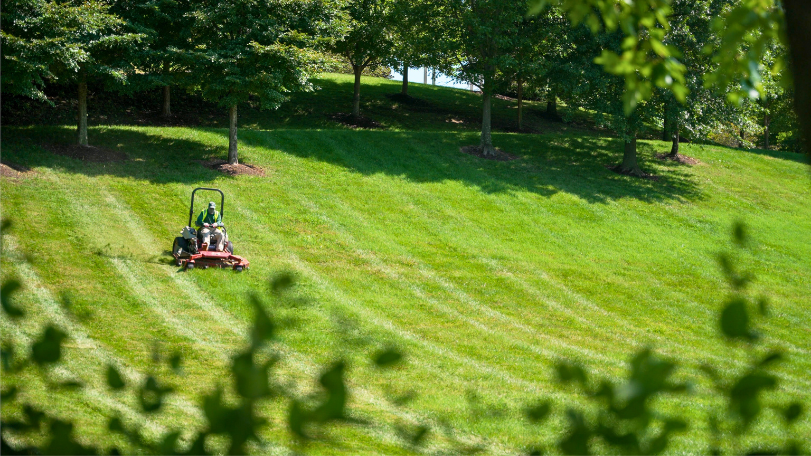
Seasonal shifts demand particular work that prepares landscapes for altering conditions. Spring work consists of removing winter season particles and dead plant life, using weed preventers before weeds grow, pruning spring-blooming bushes after the flowers fade, changing sprinklers for warmer temperatures, and planting seasonal flowers suitable for your location.
Fall preparation includes planting spring-blooming bulbs before the ground freezes, aerating and overseeding grass if suitable for your climate, minimizing watering as temps drop, preparing sprinklers for winter season if needed, and eliminating leaves before they smother turf. Winter season activities consist of viewing inactive landscapes for issues, preparing spring enhancements and replacements, pruning dormant trees and shrubs when appropriate, securing sensitive plants from freeze damage, and doing devices maintenance before spring hits.
High Visibility Zone CareSprinkler effectiveness improvements, clever controllers, and drought-tolerant plants cut usage without injuring landscapes. Some communities slash water costs 30-40% through systematic improvements.
Strategic replacements during regular updates gradually lower business expenses. Mulch management impacts both looks and spending plans. Correct depth suppresses weeds, holds wetness, and keeps things looking sharp. Regular replenishment expenses less than combating extreme weeds and struggling plants. Preventive work costs less than emergency repair work. Routine sprinkler checks prevent costly water waste and landscape damage.
Adopting New Grounds Management Best Practices
Getting competitive quotes for agreement work guarantees sensible prices. Balance expense against contractor certifications, recommendations, and actual service quality. Landscape problems occur all over.
Composed problem treatments eliminate confusion and keep appropriate records. Putting problems in composing creates documentation while avoiding heated in person arguments. Ensure residents know for how long actions generally take. Not every problem needs action. Neighborhoods can't tailor upkeep for individual preferences in shared spaces. Locals who do not like certain plants or prefer their grass cut in a different way need courteous descriptions that community requirements use to everybody.
React quickly, even if you can't fix things immediately. Inform homeowners what actions will occur and when work should be finished. Picture documents secures against unwarranted problems. Routine dated images of common locations offer evidence of actual conditions when disagreements arise about upkeep quality or timing. Landscapes aren't permanent setups that stay the same permanently.
Strategies need to deal with aging plants, out-of-date sprinklers, and areas that have actually ended up being maintenance problems. Reserve research studies need to include products such as landscape and hardscape functions that require ultimate replacement.
Upgrading designs brings aging landscapes into contemporary requirements while frequently reducing maintenance expenses. Present design patterns favor drought-resistant plants, reduced turf protection, and products that need less maintenance than those popular years ago. Improvement priorities should focus on high-visibility locations and serious issues before resolving minor problems in less noticeable locations.
2026 HOA Landscape Compliance
Management business bring landscape knowledge from managing several neighborhoods with different obstacles. They understand maintenance requirements, specialist oversight, and cost control methods that offer boards typically do not have.
Routine home walks assistance identify problems before they end up being severe, while also recording professional performance for payment and renewal decisions. Budget preparing gain from experience with comparable properties and reasonable cost forecasts. Management business comprehend normal expenses while recognizing chances for effectiveness enhancement. Contact Community Management to discover how professional services can help your community maintain stunning, well-managed landscapes and typical locations.

Boards that understand where technology is headed can make better choices, improve resident experiences, and lead their communities more effectively. This article highlights the most essential tech and AI patterns shaping HOAs this year, grounded in real-world applications and what's coming next.
At the exact same time, development in the HOA area is speeding up, and some organizations are moving faster than others. For the previous 2 years, we have actually actively developed and executed AI-powered technology throughout essential operational locations.

Latest Posts

Why Professional Care Protects Real Estate Assets
Integrated Common Area Management in Commercial Properties
Mastering Commercial Landscape Compliance for 2026